

The exterior of your home does not just make a curb appeal, but it secure all the things inside. Still, when the prices and the materials are so different, it may be difficult to choose the right siding. This ultimate 2026 siding cost and material comparison guide by Lumber Estimator will reveal actual figures, clear comparisons, and the ultimate choices in siding that would have long-term value.
Siding prices continue to increase, and homeowners expect to be given clear explanations before they make investments. The mean siding price varies according to the material, labor fees, house size, and location. For example, the cost of vinyl is lower in the short term, whereas that of fiber cement and metal is higher but persistent. Moreover, the cost of home siding is escalated by the costs of removal of old siding, the upgrades of insulation, and the trim details.
Material costs are still exorbitant compared to before the pandemic in 2026. Nevertheless, there is a continuous increase in demand for durable and energy-saving materials. Estimates of this exterior siding are based on national cost databases, contractor pricing reports, and the actual estimates of 2026 to provide practical and accurate cost estimates. Thus, you will carry out certain choices that facts rather than assumptions can support.
Average Siding Cost Per Square Foot in 2026
Before going on a project, homeowners also tend to inquire about the cost per square foot of siding. The quality of the materials determines the price of the goods, the workers’ rate, and the complexity of the installations. The cost of siding in 2026 is still high compared to the years preceding because of the fluctuations in the supplies of the materials and the demand for the skilled workforce. Nevertheless, intelligent material choice can be used to manage your total siding cost.
A large number of analysts recommend the comparison of several contractor bids before purchasing. This is a step that will assist you in locating reasonable prices for home siding. It also eliminates unnecessary overpaying for installations.
Average Installed Siding Cost by Material
Various materials have varying levels of value. For example, the vinyl siding is still in the market as it offers affordability and durability. On the other hand, fiber cement provides a superior resistance to fire and resale value.
Engineered wood siding is a medium-priced wood siding with natural beauty. Metal siding works well in high weather conditions. In the meantime, natural wood siding is also premium and more expensive to maintain.
Below is the realistic 2026 pricing comparison.
| Material | Installed Cost Per Sq Ft | Lifespan | Maintenance Level |
| Vinyl | $3 – $8 | 20 – 40 years | Low |
| Fiber Cement | $5 – $12 | 30 – 50 years | Low |
| Engineered Wood | $6 – $11 | 20 – 30 years | Medium |
| Metal | $7 – $14 | 40 – 60 years | Low |
| Natural Wood | $8 – $15 | 20 – 40 years | High |
Typical Total Siding Installation Cost by Home Size
Home size directly impacts project cost. Big houses require additional resources and a workforce. A good example is that a 1500 square foot house needs less siding as compared to a 2500 square foot house.
Complete project on the exterior replacement is expected to cost between $5000 and $55000 on average in 2026. Vinyl siding is applied in budget projects. Fiber cement is used in mid-range projects. Luxury building projects are built in metal or premium wood.
| Home Size | Budget Option | Mid Range | Premium Option |
| 1500 sq ft | $5,000-$12,000 | $8,000-$18,000 | $16,000-$35,000 |
| 2000 sq ft | $7,000-$22,000 | $11,000-$28,000 | $20,000-$45,000 |
| 2500 sq ft | $9,000-$27,000 | $14,000-$34,000 | $25,000-$55,000 |
Best Siding Materials Compared Side by Side
The selection of the best siding material is significant to its longevity, cost, and house price. Homeowners will shop around before investing in exterior improvements. A smart siding comparison guide helps you save money and improve performance. The materials have various advantages for various climates and budgets.
Fiber cement, vinyl, wood and metal will be the most popular siding options in 2026. Many contractors suggest comparing the lifespan, fire resistance, and maintenance requirements.
In the fiber cement versus vinyl siding, consider long term perfornmance. Vinyl siding is inexpensive and cheap in maintenance. During this period, fiber cement is stronger and not easily burned. The final alternative should be low-cost and should suit your lifestyle.
Advanced Siding Material Comparison
The comparison will assist you in choosing the most appropriate siding material for your home. The feature has an actual performance expectation. Differences are explained with the help of transition words such as, however and therefore.
| Feature | Vinyl | Fiber Cement | Wood | Metal |
| Cost | Low | Medium | High | Medium |
| Lifespan | 20–40 yrs | 30–50 yrs | 20–40 yrs | 40–60 yrs |
| Fire Resistance | Low | High | Low | High |
| Energy Efficiency | Moderate | High | Moderate | High |
| ROI | 65–80% | 70–83% | 60–75% | 60–75% |
Vinyl siding is so popular because of its low initial price and easy maintenance. However, fiber cement siding prevails in terms of durability and resale value. Metal is used in extreme weather conditions. Wood siding is more beautiful in nature, yet it demands greater maintenance.
Therefore, the homeowners should balance the cost, durability, and energy efficiency. Weather, finances, and future objectives will be used to make the correct decision. The correct choice would be useful in increasing property wealth and safety.
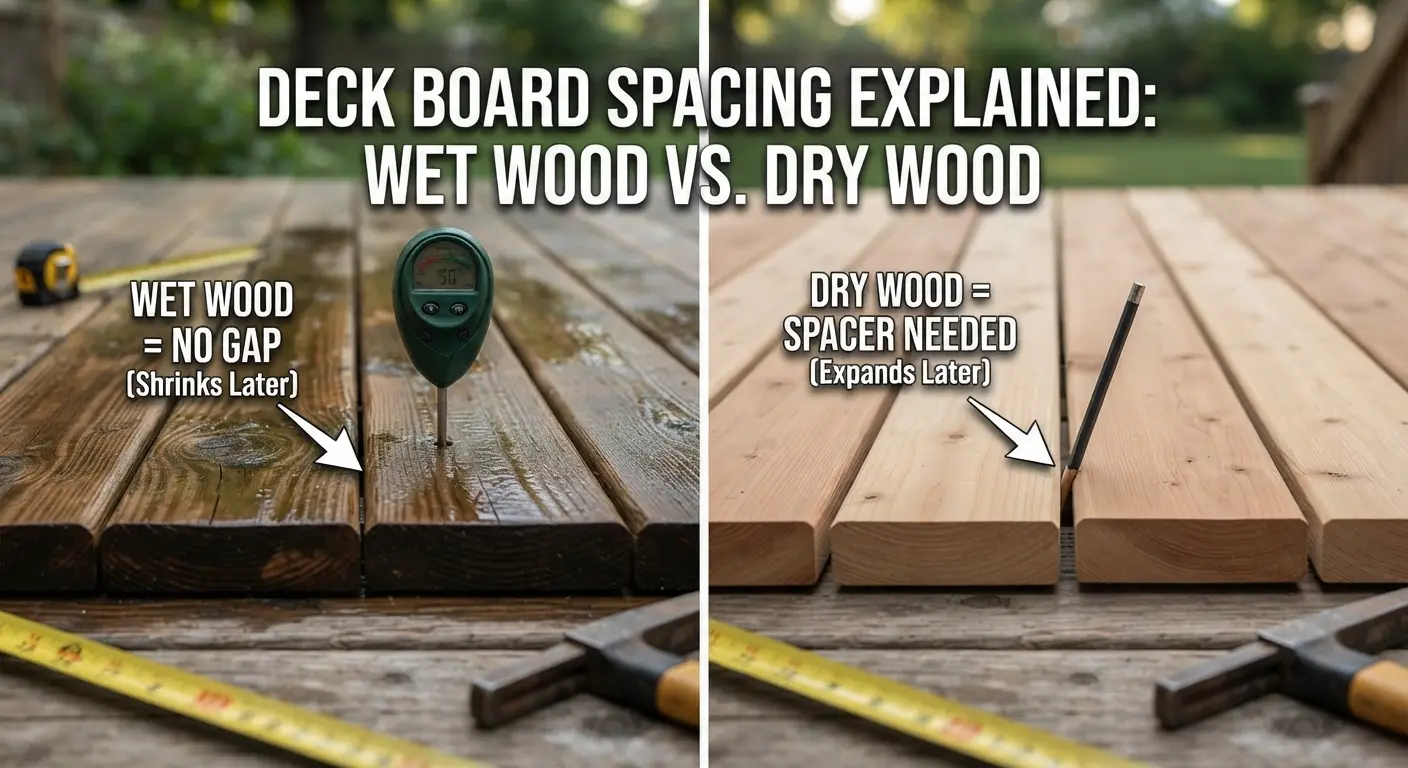
See our other blogs and guides for more insights on how to pressure-wash your wood deck safely.
What Factors Influence Siding Cost in 2026?
The cost of siding is sensitive to a number of factors. These are some of the elements of siding installation that the homeowners should be aware of before initiating a project. Minor details may alter the eventual price by a significant margin.
The quality of materials, the ability of the labor, and the complexity of the project are all important. Moreover, the total cost is influenced by the regional price and the state of homes. Thus, cost management can be managed in advance. Now, we will discuss the key cost drivers during the exterior siding projects.
Labor Cost and Installation Charges
- One of the largest components of siding projects is still labor cost. Durability and performance are enhanced through professional installation.
- Experienced contractors are paid depending on experience and the project challenge. The rates of labor are normally high in any city when compared to a rural area.
- The labor cost will be between $1.50-$4.50 per square foot on average in 2026.
- Rapid setup can save on the workforce. However, rushing can lower the quality. Thus, make a careful balance between speed and workmanship.
Regional Pricing Differences
- Location is a major factor when it comes to siding price.
- Coastal areas usually demand materials that are not prone to moisture. The climate conditions require improvements in insulation.
- The cost of transportation also influences the prices of materials. Remote locations can be charged higher due to the distance of delivery.
For example:
- The Northeast and the West Coast have higher labor and material costs
- Midwest has relatively moderate pricing
- Rural areas are possible transportation surcharge
Old Siding Removal Cost
- Removing old siding adds extra project expense.
- The charge for removal work is normally between one and two dollars per square foot.
- The old wood or the broken siding may require structural preparation. This increases labor time.
- Other house owners add new siding to old material. Nevertheless, contractors suggest the removal where there is moisture damage.
Permit and Inspection Fees
- Construction permits are necessary in many cities
- The price of the permit typically lies between $150 to $3000.
- Projects that are large need inspection approval.
- Local government dictates the price of permits.
- Municipal building codes should always be checked before installation.
Insulation and Energy Efficiency Upgrades
- Insulation improves home comfort.
- Siding panels are insulated to minimize heat transfer.
- Insulated siding is capable of enhancing the energy performance of walls by almot 20%.
- Energy-saving siding is more economical when it comes to heating and cooling costs.
- Although insulation increases the initial costs, it contributes to savings in the long run.
Trim, Accessories and Finishing Details
- Accessory and trim work is better looking.
- Costs are increased with corner pieces, flashing systems, and decorative panels.
- These parts conserve the feature of guarding edges against water damage.
- The project price normally goes up by 5-15% in terms of finishing materials.
- The quality of trimming also enhances the life of siding.
Hidden Costs Homeowners Often Miss
- Hidden costs surprise many homeowners.
- The cost of disposing of waste is a small increment.
- In case there is damage to the walls, structural repair can be done.
- Warranty upgrades are occasionally costly to projects.
- Always request a detailed contractor quotation.
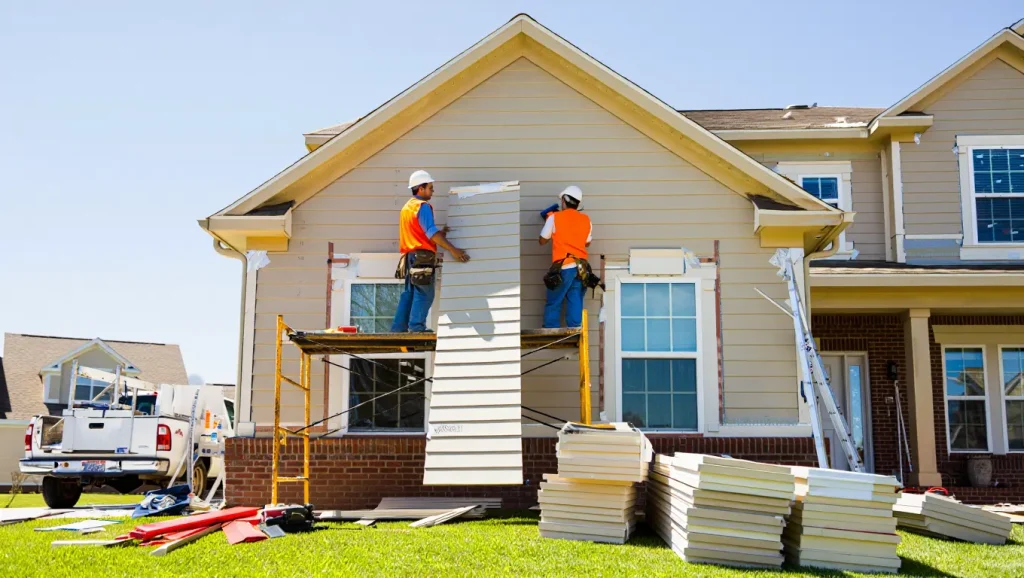
Real Homeowner Cost Examples for Siding Installation
Real-life examples help homeowners know what a siding investment is actually like before engaging in a project. These real homeowner costs will enhance the trust and demonstrate realistic pricing expectations. Exterior siding can vary in costs according to the place of location, the material used, and the size of the house. Thus, in the case of practical project situations, it is possible to make better choices.
This guide is authoritative with experience-based information. A good number of buyers desire actual market information rather than hypothetical figures. The following presents realistic project estimates for 2026 siding. Such situations are typical of the contractor pricing trends in the United States.
Example 1: 2000 Sq Ft Midwest Home for Fiber Cement Siding
A Midwest homeowner changed his old vinyl siding to fiber cement panels. The size of the project was approximately 2000 square feet of exterior wall. The removal of old siding had to be carried out since moisture damages were present below the surface.
Premium fiber cement material was used in the project due to its durability and resistance to fire. The overall cost of the project was approximately $21500 in pricing conditions in 2026. It was installed in approximately four days since the workers had to work on the wall surfaces.
In several home improvement market reports, experts can estimate that fiber cement siding has the potential to offer up to 75% resale value return. The material is very good in long term property investment. The use of fiber cement has been suggested by many contractors to house owners who intend to remain in their homes for several years.
Example 2: 1500 Sq Ft Budget Remodel for Vinyl Siding Installation
A different homeowner also did a cost-effective exterior renovation on a $1500 square foot house. Vinyl siding was applied in the project as it comes with a lower initial investment, and it is easily maintained as well. The overall cost of installation was about $9200.
Installations completed in three days. Preparation of walls, installation of panels, and trim work were done. Vinyl siding has very low maintenance in the long-run. Frequent cleaning is used to keep it presentable and stable.
Vinyl siding is good in moderate climatic areas. It is impervious to water cracks and lowers the maintenance expenses on the exterior. This is still an option used by homeowners with limited budgets who require affordable home improvement options.
Example 3: 2500 Sq Ft Coastal Home for Metal Siding Installation
Coastal homeowners normally prefer metal siding because it has high corrosion resistance levels. In this case, a high-end metal exterior panel was used to make a 2500 square foot house along the coast.
The overall cost of the project was about $42000 in 2026 market prices. Metal siding is very resistant to salt air, wind, and moisture corrosion. With the right maintenance, the anticipated laziness can be 50 years.
Metal siding is also very stable structurally, even in extreme weather. This renders it to fit in a hurricane-affected or seashore climate. Even though the initial expense is higher, durability in the long term usually pays off.
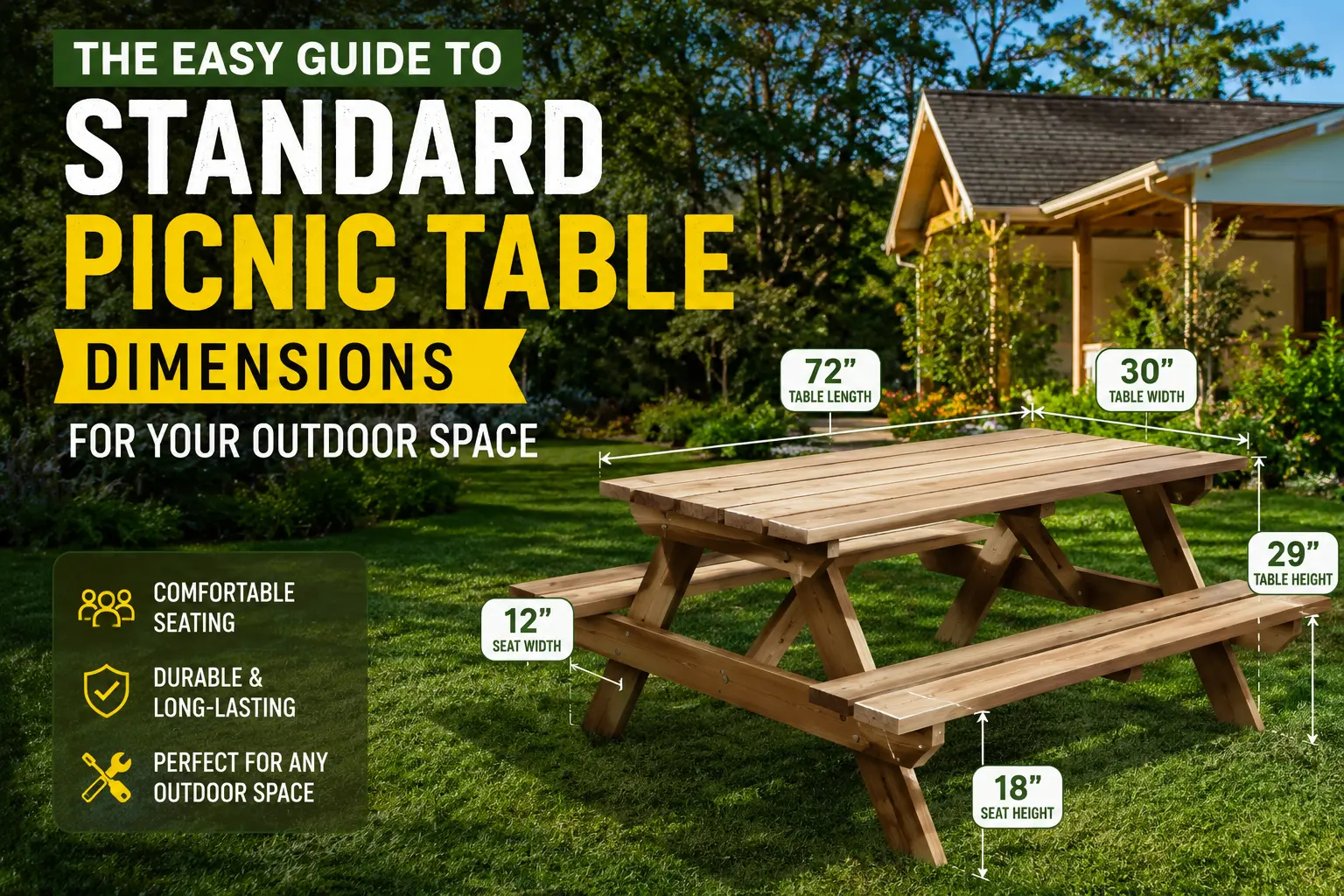
See our other blogs and guides for more insights on What are the Standard Picnic Table Dimensions in 2026?
So get a quote or book a meeting for your purpleheart wood lumber project today!
Best Siding Options Based on Budget and Home Needs
The selection of the most appropriate siding will be based on cost, weather conditions, quality, and resale. Homeowners look at the most desirable siding in terms of resale value before involving themselves in exterior improvements. Thus, the choice of the appropriate material is an enhancement to protection and the property market.
In 2026, long-term maintenance and performance issues are not dependent on the initial cost only. A lot of specialists recommend a price-life-weather-resistance equation. Some of the most feasible siding options with respect to various priorities of homeowners are shown below.
The best budget siding option is Vinyl.
Vinyl siding is the most used material for exterior walls that is cost-effective. It provides cheap cost of installation and low maintenance. The reason why homeowners opt to use vinyl is an upgrade in terms of cost, and yet they do not have to jeopardize the fundamental durability.
The installation of the siding on vinyl typically remains in the range of $3-$8 per square foot. The material is suitable for normal residential houses. It is not moisture sensitive and does not need to be frequently painted.
Vinyl siding goes best in a moderate climate. It is not the best one to use in extreme heat or harsh cold. Nevertheless, it is very competitive in low-end renovation projects.
Best Long-Term Value Siding is Fiber Cement
Fiber cement siding is the most favorable in terms of longevity and profitability. Many homeowners regard it as the most appropriate siding to have when they are willing to own a property in the long term. It is impervious to fire, moisture, and insect destruction compared with most of the materials.
The cost of installation is between $5 and $12 per square foot. The industry research showed that fiber cement siding is capable of recapturing approximately 70-83% of project value on resale.
Due to its performance and strength, fiber cement is regarded as the ideal siding in terms of resale value. It is useful to the homeowners who intend to sell their houses in the future.
Best Siding for Harsh Weather is Metal
Metal is also very effective in extreme environmental conditions. This material is popular among homeowners in coastal or storm-prone regions.
Metal siding is very resistant to wind, rain and salt corrosion. The installation will typically cost between $7-$14 per square foot installed. Proper maintenance of the lifespan can be achieved up to 40 to 60 years.
This is also one of the best siding options for cold climate conditions due to its ability to withstand the temperature pressure. Thus, metal siding would be a robust option in areas of severe weather.
Best Natural Look Siding is Wood
Wood siding provides traditional and natural exterior beauty. A large number of homeowners look at the use of wood where the architectural look is more important than the cost in terms of maintenance.
The cost of installation of wood siding is typically between $8 and $15 per square foot. Maintenance needs are, however, more than for other materials. It has to be painted and kept dry regularly.
Wood siding appears high-end, but it might need some repair occasionally. Thus, it fits the best homeowners who attach importance to aesthetic design.
Best ROI Siding is Fiber Cement
Fiber cement siding provides the highest return on investment in many housing markets. According to remodeling industry reports, recovery of resale values is between 70% and 83% in the right market conditions.
This substance is very resilient, and it has reduced maintenance expenses in the long run. It is also more efficient in terms of energy consumption in case it is installed with appropriate insulation layers.
Fiber cement may be one of the best investments to consider in case the homeowner intends to resell the property in the future.
Energy Efficiency and Insulation Impact of Siding
One of the significant factors in the present-day home improvement projects is energy performance. A lot of homeowners are looking into finding energy-efficient siding in a bid to cut down heating and cooling costs. Correct siding installation is used to regulate the flow of temperature on the exterior walls.
Thermal loss is further prevented by insulated siding. It enhances the comfort indoors, whether in summer or winter. Consequently, the use of insulation-friendly materials will aid in energy saving in the long run.
The US Department of Energy says that a home with insulated siding can minimize thermal bridging and enhance the performance of the wall R-value by up to 20%. It implies that the amount of heat that escapes in winter and that which is absorbed in summer is reduced. This will lead to a reduction in energy bills in the long run.
Insulated Siding Benefits for Homeowners
Insulated siding has a number of feasible benefits for present-day homes. The first one is that it enhances thermal efficiency by incorporating protective foam behind exterior panels. These layers retard the movement of heat by means of walls.
Second, insulated siding will lower the workload of the HVAC. The heating and cooling systems are efficient when the walls are kept at a stable temperature. This assists in reducing utility bills per month.
Third, insulated siding enhances the structural wall. The extra insulation layer minimizes the possibility of moisture penetration and makes small structural damage impossible.
Lastly, insulated siding has the advantage of improved sound insulation, added comfort to the home, and greater weatherproofing. Most contractors advise the use of insulated panels in extreme climatic areas.
Hidden Costs Most Homeowners Miss When Installing Siding
Most of the homeowners are more concerned with material prices and do not look at the costs of a project that are concealed. Nevertheless, these indirect siding expenses may add a lot of cost to the budget. When these factors are learned, they can prevent unwarranted fees when installing.
Sheathing Repair Cost
Wall sheathing is occasionally repaired, and then a new siding is installed. Crippled sheathing could be a result of exposure to moisture, an old structure, or a lack of ventilation. The contractors ensure that they check the wall boards thoroughly before commencing with the installation work.
The cost of sheathing repair is normally based on the extent of the damage. Repairing minor ones could cost a few hundred dollars. Significant structural change may add thousands of dollars to the cost of the project. Thus, it is recommended that early inspections of the surfaces of walls be undertaken by the homeowners.
Flashing and Water Protection Upgrades
Walls are covered by flashing systems to prevent leaks. The installation of flashing can lead to structural damage and penetration of moisture.
The flashing upgrade price depends on the quality of the material. Siding is made durable by high-grade waterproof flashing. There have been flashing upgrades added to many of the modern homes.
Flashing professional work minimizes maintenance risk in the long-term. It also covers insulation and interior wall constructions.
Custom Trim and Decorative Finishing
Home exterior design is enhanced with custom trim. It provides a building aesthetic and neat edges of panels.
Trim installation normally adds 5% to 15% of the project cost. Corner pieces, window framing, and finishing strips are classified under this category. The trim material is of high quality to avoid the entry of water. They also increase the life of siding.
Waste Disposal and Material Removal
There is an extra cost due to the old siding disposal. The waste in construction must be transported and treated in an appropriate way for the environment.
Removal of waste is based on the size of the project. Huge houses produce more construction waste. Disposal fees can be charged individually to the contractors.
The cost of disposal varies between a few hundred dollars and mor,e than $1000, depending on the complexity of the project.
Warranty and Protection Plan Upgrades
Other manufacturers also provide long warranty coverage. Upgrades on warranty enhance the material safety in the long term.
A prolonged warranty will be an added expense. Nevertheless, they minimize the risk of repair in the future.
The terms of the contractor and manufacturer warranty should be verified by homeowners.
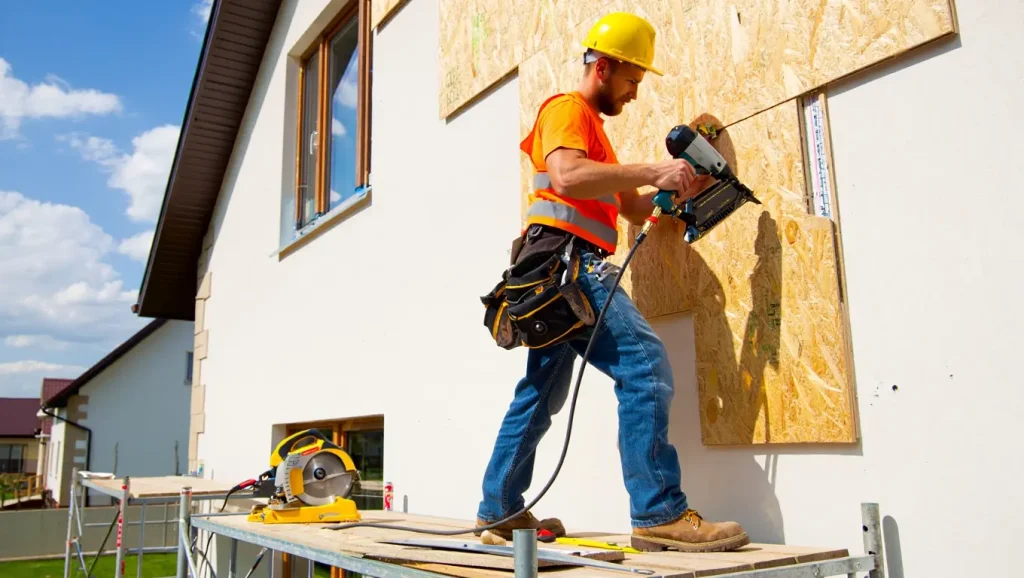
Siding Maintenance and Lifespan Comparison
| Material | Annual Maintenance | Repainting Needed | Risk Level |
| Vinyl | Low | Rarely | Low |
| Fiber Cement | Low-Medium | Every 10-15 years | Low |
| Wood | High | Every 3-7 years | Medium-High |
| Metal | Very Low | Rarely | Low |
How We Help Homeowners Choose and Install the Best Siding?
At the Lumber Estimator, assist people in making decisions on siding. We are aiming at streamlining the process of the siding comparison guide. Our pricing insights, material guidance, and installation expertise are accurate. Most people at home are confused when choosing exterior materials. Thus, we provide clear and viable information.
We are on the side of homeowners who desire the most appropriate siding choice with regard to financial status and the climate conditions. We have focused our content on the benefits of insulated siding, the resale value possibilities, and the passive cost consciousness. This information will enable you to make costly errors when doing exterior renovations.
In the end, we save you money, offer better home security, and increase the value of your property. You are able to compare materials used to the side, learn about the actual pricing patterns, and choose the best exterior solution with certainty.
FAQ
What is an estimated siding price in 2026 in a single square foot?
There is an average of $3-$15 installed in the 2026 range of the siding cost per square foot based on the material. Vinyl is the cheapest, followed by natural wood and metal, which is more expensive. Labor costs and place also influence final pricing.
Which siding lasts the longest?
Metal and fiber cement siding ultimately have the longest durability. Metal siding has a life of 40 to 60 years. The fiber cement siding has the capacity to endure 30-50 years. The correct installation and maintenance enhance the performance and lifespan.
Does new siding improve the value of the home?
Yes. New siding may add to the value of the home by enhancing the curb appeal and structural defense. According to industry research, ROI can be as high as 65% to 835 of fiber cement and vinyl siding in most housing markets.
Which is the siding that is the least expensive?
The lowest cost exterior is typically vinyl siding. Vinyl siding ranges between $3 and $8 per square foot. It is durable enough when it comes to low-cost renovation.
How long does siding installation take?
A majority of the residential siding installations last between 2 and 7 days. Small houses can be completed within 23 days. Large or intricate houses can take one week, based on the weather and amount of preparation.