
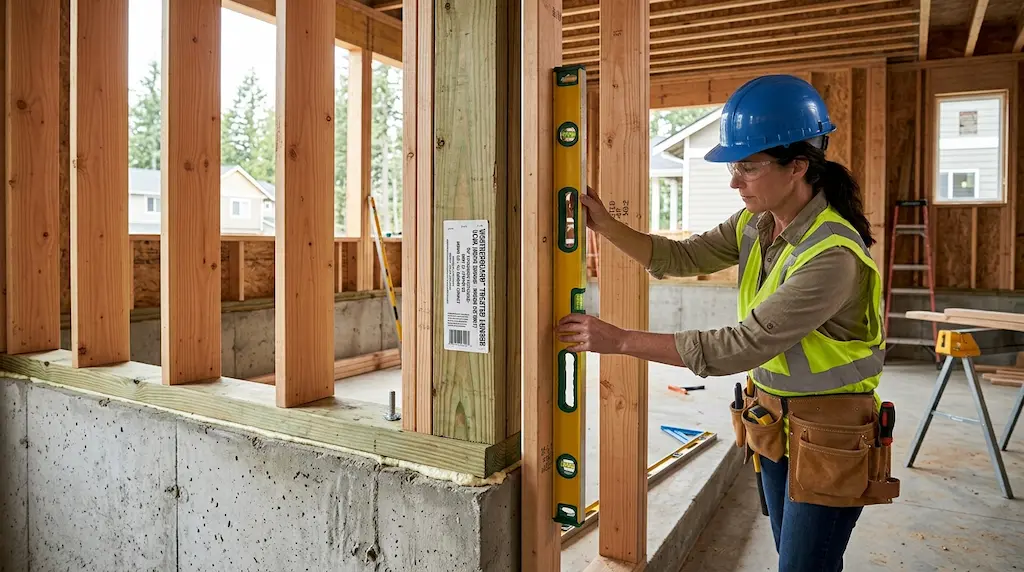
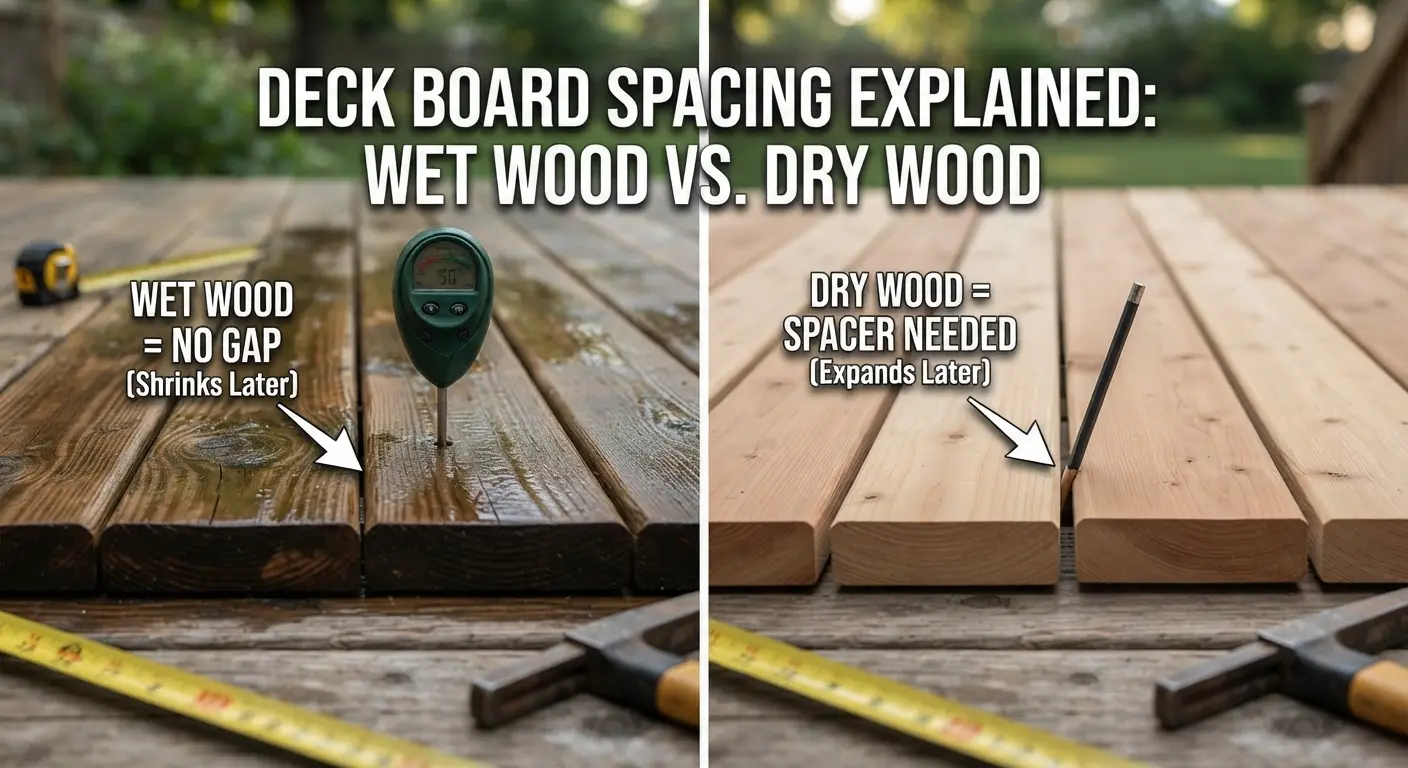
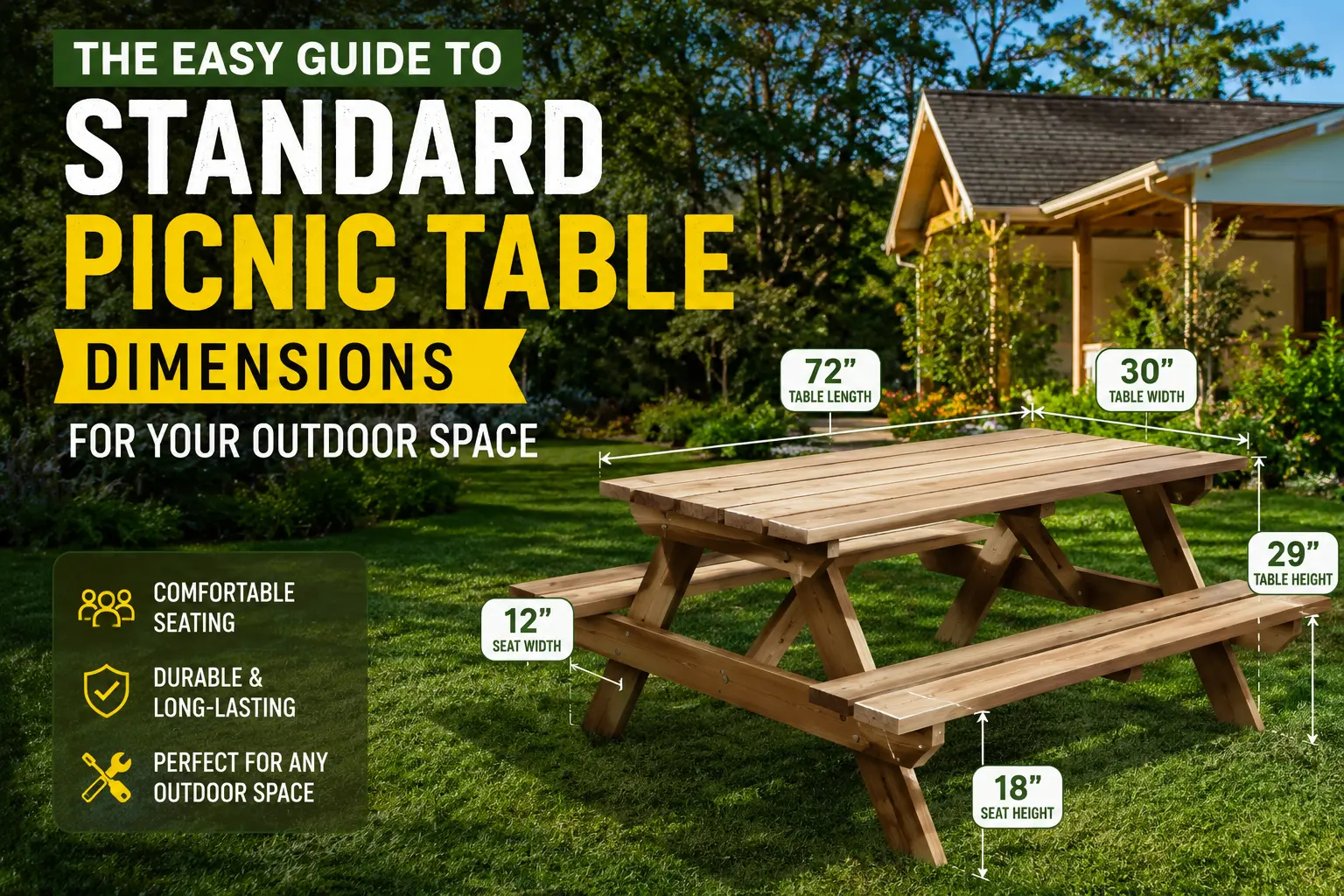


What is rough lumber, and why are so many woodworkers and builders using it again? You were likely to have encountered and appreciated the crunchy feel of a farmhouse table or the solidness of a hand-built pergola, and rough lumber had something to do with it. Simply put, rough lumber is the wood that is sawmill fresh and never planed, sanded, or even smoothed. It is the same thing that can be said about its natural surface, full thickness, and visible grain, which are exactly what make it attractive to not only creative woodworking but also actual construction projects.
The applications of rough-cut lumber in recent years have by far extended past the conventional barns and sheds. With changes in the price of material and the advent of sustainability, rough lumber is gaining popularity among professionals and DIY builders due to its affordable nature, durability, and versatility. According to industry statistics, the US has the capacity to produce more than 30 billion board feet of lumber each year, and more consumers are willing to pay less for processed wood to be used in personal constructions, rustic and outdoor structures. This trend is indicative of a general trend towards materials with a longer lifespan without redundant treatment.
Here, you will understand exactly what rough lumber is, why it is becoming popular in woodworking and construction, and how it will compare to finished and dimensional lumber along with related materials such as What Is Softwood Lumber?. We consider when making smart purchases to keep you out of unnecessarily expensive errors, whether you are assembling furniture, putting up a building, or deciding on your next project.
Authored by the researchers of wood materials and construction costs at Lumber Estimator, according to the real-life practice in the sawmills and market statistics.
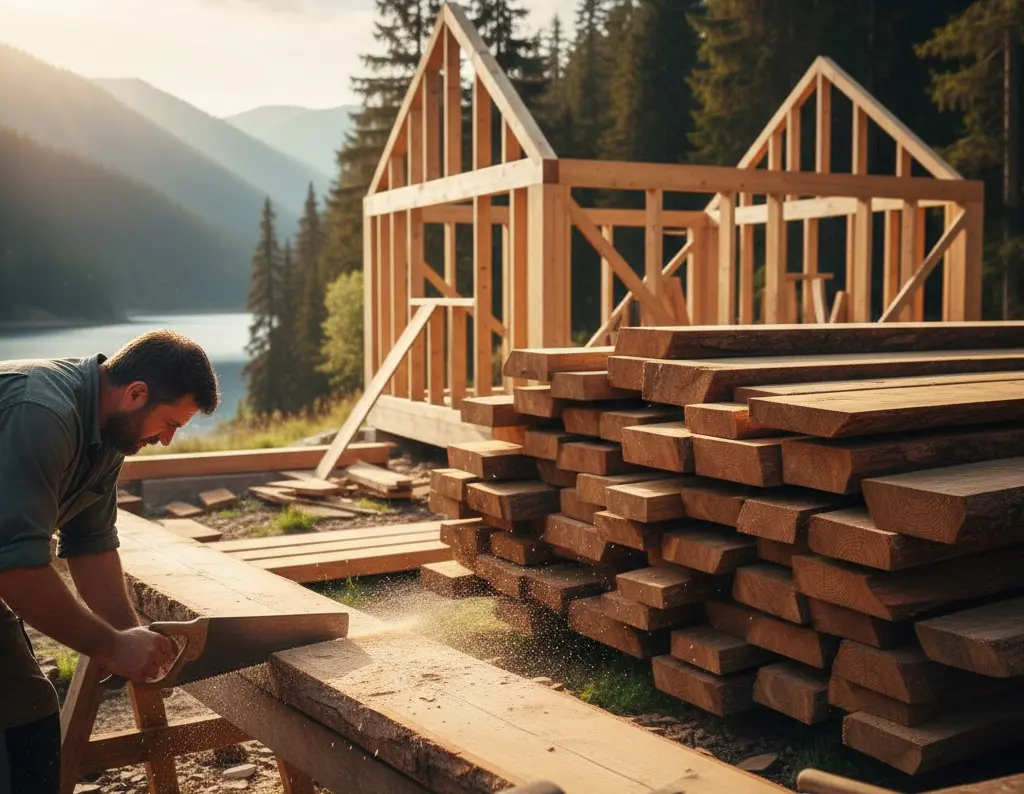
What then is rough lumber, and how is it any different than the wood you find at big box stores? It comes down to one thing at the heart of it, and what rough lumber is simply wood in its most natural and raw form. Rough cut lumber is delivered to the market in a direct state of its exit out of the sawmill, in the form it comes out of the saw, uncut, unplanned, unsanded, and unsmooth. The surface is crude, the sides are square and rough, and the grain is quite open, qualities after which many woodworkers would walk a long way.
Understanding the Meaning of Rough Sawn Lumber
The meaning of the rough-sawn lumber is that it is not surfaced. Given the fact that it has not been ground to a similar size, rough lumber retains all its thickness, and this can be transformed into stronger finished members once they are custom ground. That is why it is particularly popular among furniture manufacturers, timber framing, rustic interiors, and outdoor construction.
One more significant difference is that rough lumber is not sold by nominal sizes but by board feet. You do not need to purchase a 2×4, but an amount of volume which is computed in terms of thickness, width, and length. This type of pricing allows the construction to have greater control over the material yield, and it provides enhanced value to the project with unique dimensions.
Why Rough Lumber Matters in the Real World?
Rough lumber is not a niche product, and it is a building block of the woodworking and construction industries. Actually, the production of lumber in the USA is more than 30 billion board feet per year, which confirms the importance of sawmill-produced wood in building homes and in producing individual woodwork items. Much of this production starts as rough lumber and is further refined or utilized in direct special construction.
It is this raw material that makes it so popular with several professionals. The rough lumber provides flexibility, material economy, and latitude of creativity that pre-finished boards just cannot compete with because of the fewer manufacturing processes involved.
Rough Lumber vs Finished Lumber vs Dimensional Lumber
The choice of the lumber is not only aesthetic, as it is associated directly with the cost, performance, and long-term results. When a builder has to choose between rough lumber vs finished lumber or dimensional lumber vs rough sawn, the distinction goes beyond the obvious surface smoothness. Both options have their purpose, though the realization of how they actually compare is enough to make sure that you do not overpay or select the wrong material in which to work on your project.
| Feature | Rough Lumber | Finished Lumber | Dimensional Lumber |
| Surface | Unsmoothed, raw texture | Smooth and planed | Factory planed |
| Size accuracy | Variable (full thickness) | Precise | Standardized |
| Cost | Lowest | Highest | Medium |
| Customization | Maximum | Limited | Limited |
| Best for | Woodworking and rustic builds | Interior finishes | Framing & general construction |
Why Rough Lumber Often Wins on Value?
Appearances of convenience cause finished and dimensional lumber to appear more convenient, but convenience costs. Price data in the industry always demonstrates that surfaced and finished lumber might cost 20-35% more than rough lumber since there is more milling, planning, and waste removal. Rough lumber eliminates such steps, and thus prices remain low and usable material is saved.
There are chances thatprofessionals use the rough lumbers, as it retains its structural thickness. When lumber is planed to a smooth finish, you have already lost material–a point when it counts in the strength, sizing to custom size, or in aesthetic appearance. When it comes to the makers of furniture and the experienced builders, it would be best to begin with rough-sawn boards so that you can decide the end size, not the mill.
Where Dimensional Lumber Fits Best?
Dimensional lumber excels in fast constructions, such as framing, where standardization of the size is more important than the appearance. It, however, comes at the cost of flexibility. You are committed to factory sizes and frequently covering up processing that you do not need in case your undertaking must be customized or to bare wood surfaces.
Why Pros Still Choose Rough Lumber?
Even though rough lumber requires additional work, it is still the preferred option of many professionals due to higher yield per board foot, increased design freedom, and affordability on at high scale. Even in the US, where lumber production is over 30 billion board feet in a year, a large portion of that remains in the form of rough lumber, so evidence that modern construction still is extremely dependent on this old-fashioned, highly versatile material.
Types of Rough Sawn Lumber Cuts
Rough lumber is not all cut alike, and the manner in which a board is sawn may cause a radical difference in its appearance, mobility, and service afterward. Knowledge of the various types of rough-sawn lumber assists the woodworker and the builder in selecting the correct boards that will suit their purpose in either a bold grain effect, longer durability, or a smooth, clean appearance. You can also explore The Ultimate Engineered Lumber Guide for making smarter material selections across different project needs.
Flat Sawn (Plain Sawn)
Sawn lumber, which is the rough cut of lumber that is also most common and widely available, is flat sawn lumber. The grain, the log is cut across at right angles, giving boards that have exceedingly wide cathedral forms of grain.
- Grain appearance: Bold, dramatic grain
- Material yield: Highest yield from each log
- Cost: Typically the lowest-priced option
- Stability: More prone to seasonal movement
In the market, flat sawn boards constitute more than 60-70% of the commercially produced lumber, because this mode of cutting produces more and less wastage. That efficiency has kept costs low, and flat sawn rough lumber is popular in frame framework of furniture, rustic interiors, and general woodwork where looks are more important than remarkably tight fits.
Rift Sawn
The rift sawn lumber is cut at a similar angle (typically 30-60 degrees to the growth rings) to form straight and uniform grain with little figure.
- Grain appearance: Clean, straight lines
- Material yield: Lower than flat sawn
- Cost: Higher due to waste and precision cutting
- Stability: More stable than flat sawn
Since rift sawing produces much more wastage, it is only a minor percentage of the total lumber production, usually below 10%. Nevertheless, it is well rated in contemporary furniture, table legs, and visible parts, where consistency and refinement are important.
Quarter Sawn
Quarter sawn lumber is made by quartering the log, and then cross-grain boards are made. Through this method, thin straight grains and typical ray fleck patterns are made in certain species, like oak.
- Grain appearance: Straight, uniform, decorative flecking
- Material yield: Lower than flat sawn
- Cost: Premium
- Stability: Most dimensionally stable
Quarter sawn boards are valued in use where movement has to be restricted. Wood movement research indicates that lumber quarter sawn may move up to 50% less than flat sawn boards, in terms of width expansion and contraction, and is therefore suitable for tabletops, cabinets, and floors.
How Cut Type Affects Performance?
The direct influence is the sawed method of rough lumber:
- Pattern Grain pattern: rough and coarse to refined and contemporary.
- Dimensional stability: Resistance to cupping, twisting, and warping.
- Finishing appearance: the interaction between stain,d finishes, and grain.
- Durability of the project, particularly the furniture and the exposed wood.
Common Uses of Rough Lumber
From backyard constructions to grand interiors, rough lumber is one of the most versatile building materials to use. The increased popularity of rough lumber applications is due to its strength, versatility, and naturalness, which make it a choice applicable to all forms, such as outdoor and heavy construction work, as well as in the more refined, household applications. With custom and rustic designs gaining more and more popularity, rough-sawn lumber projects are becoming a popular favorite with professionals and an increasing number of serious amateur doers.
Outdoor Uses of Rough Lumber
Rough lumber has been used in exterior construction since time immemorial, and almost rightly so. Its entire thickness and roughness come in handy outdoors, where one would want to be sturdy.
Pergolas: Pergolas are rough-sawn and wide posts and beams that are highly strong structurally and that have a lovely rustic look.
Fencing: The abrasion, wear, and weathering do not show themselves on the natural surface as they do on smooth boards.
Sheds and barns: Rough framing and siding: Rough lumber is cheap, durable, and resilient in the long term.
Agricultural buildings: Perfect to use where a structure is designed as a utility building, where aesthetics are not as important as strength.
This request is in line with the overall industry trends. By the year 2025, the lumber demand in the United States construction industry is projected to be 68.8 billion board feet, and this is primarily due to the construction of residential houses and outdoor structures such as decks, sheds, and accessory buildings. Rough lumber is important to the fulfillment of this demand since it needs less processing and provides more material to be used per board foot.
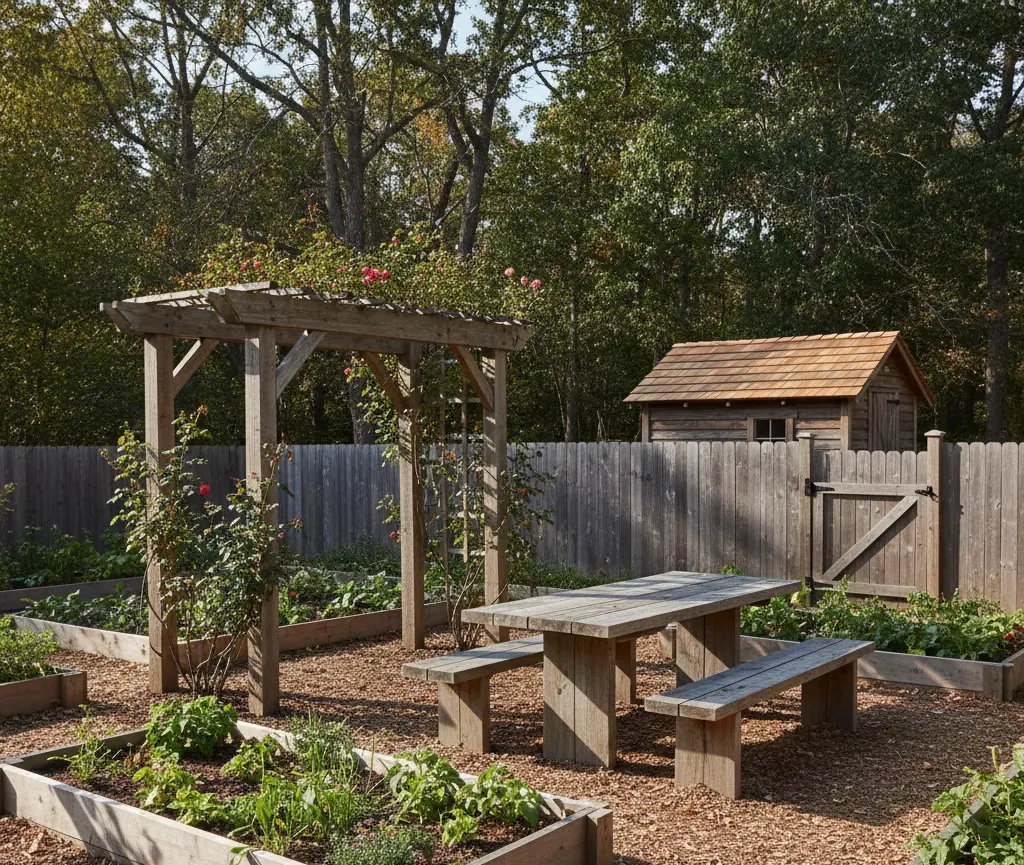
Indoor Uses of Rough Sawn Lumber
Although the primary subject of discussion is the outdoor constructions, the rough-sawn lumber work is also becoming a popular feature in the interior, mainly in the custom woodworking and design-oriented houses.
- Furniture: Rough lumber is powerful and has a good grain, thereby making it a favorite in tables, benches, and shelves.
- Open trusses: Provide a more recent look and feel of the crafts to the ceilings.
- Accent walls: It is done using rough-sawn boards, which provide texture and make the lumber warm, which cannot be matched by finished lumber.
- Shelving: Thicker boards take heavier loads and do not deflect.
The use of rough lumber is often used in these applications by interior designers and builders due to the possibility of performing accurate custom milling and finishing. They do not buy factory-planed boards, but instead custom-mold the wood to the precise design vision, not to waste material and increase the aesthetic effect.
Why Rough Lumber Works Across So Many Projects?
The wide variety of rough lumber uses is reduced to three fundamental benefits, including structural strength, flexibility, and character. Rough lumber is either made to fit the task at hand, a la pergola outdoors, or a center of interest on a dining room table, which makes it one of the most versatile and innovative materials in contemporary woodworking and building practices. For deeper knowledge into quality and performance differences see Everything You Need to Know About Lumber Grades which explains how grading impacts strength, appearance and suitability for different applications.
Key Benefits of Using Rough Lumber
So many builders and woodworkers knowingly prefer rough lumber, but why? Even when smoother lumber is available within easy reach? The answer lies in value. Looking carefully at the advantages of rough lumber, it is obvious that this material can have convenient and economical benefits that processed boards cannot provide. The merits of the rough-sawn lumber are not only cost-efficient but also performance and are helpful to the professionals and serious DIYers.
Key Benefits of Using Rough Lumber
- Lower cost without sacrificing quality
Rough lumber does not undergo planing, sanding, and surfacing processes, which instantly saves costs on processing. In the actual market scenario, sawmills are now running at a rate of around 66-68% capacity, which causes supply oscillations, enhancing the prices of highly processed lumber. Rough lumber is the least expensive alternative due to fluctuating prices, due to less mill time, and energy requirements. - Stronger cross-sections and better material yield
Rough lumber is stronger in its structure because it maintains the entire thickness and width; thus, it is stronger once milled to the final size. Finished boards are already losing material in the surfacing stage, and rough lumber will give you the chance to select just how much wood you want to strip off to get as much useful yield per board foot as possible. - Rustic, natural aesthetics
Among the best-known rough-sawn lumber benefits is the real texture. Saw marks, open grain, and natural imperfections are visible and form a handcrafted appearance that could not be achieved by smooth boards that are factory-finished. This predisposes rough lumber particularly to exposed beam usage, furniture, and accent walls. - Custom sizing and design flexibility
Rough lumber provides builders with total control over ultimate dimensions. Rough lumber is modified to fit the project rather than the design being made to fit pre-created boards, which are called the standard beam sizes. - Less processing waste and better efficiency
Rough lumber requires fewer manufacturing processes, and so, less processing waste is created at the mill level. Not only does that efficiency assist in sustainability objectives, but it also contributes to maintaining costs lower among the end users, particularly where it comes to big projects.
| Benefit | Why It Matters | Practical Advantage |
| Lower Cost | Rough lumber does not go through the planning, sanding, and finishing processes. | Lowers the cost of materials, particularly in huge projects. |
| Stronger Cross-Sections | Boards do not lose all their thickness. | Enhanced carrying capacity and strength. |
| Rustic, Natural Aesthetics | Branded saw marks and natural texture. | Perfect with beams that are exposed, farmhouse, and custom interior designs. |
| Custom Sizing Flexibility | Dimensions may be laid down on-site or in-shop. | Minimizes wastes and provides fit for appropriate applications. |
| Less Processing Waste | Nothing is washed off in any factory. | Increased per board foot usable yield. |
Why These Benefits Matter in Today’s Market?
With the price of lumber being fluctuating due to the production capacity and the changes in demand, materials that provide strength, flexibility, and cost control are noticeable. The fact that the rough lumber has lower processing needs and a higher usable yield is the reason why it remains a smart option when doing some woodworking, rustic construction, and custom construction projects, despite the additional work needed.
In brief, the actual worth of harsh lumber lies not just in its prices, at the initial stage, but in the extent of control, performance, and character it conveys until the job starts.
Is Rough Lumber Sustainable?
Is rough lumber actually better for the environment, or is that just a marketing claim? Upon closer examination of the process and sourcing of wood, rough lumber is one of the most viable and sustainable lumber choices in the market today. It is not a trend of being green but takes fewer steps, less energy, and smarter sourcing.
Why Rough Lumber Is Considered More Sustainable?
Less milling means less energy use.
Rough lumber does not undergo several processes, including planing, sanding, and factory finishing. Each step skipped conserves electricity, machine wear, and carbon emission. The rough lumber also consumes a lot less industrial energy per board foot as compared to the highly processed boards, and this makes it a good option among the eco-friendly woodworking materials.
Local sawmill sourcing reduces environmental impact.t
Rough lumber can be bought at a local or regional sawmill, and this reduces the transportation over long distances. This will result in shorter supply chains and reduced fuel use, fewer emissions, and more support for responsible forestry practices. Material traceability, which is a key trust signal of sustainable construction, is also enhanced with the help of this local sourcing model.
Fewer chemicals and treatments
Unlike some finished lumber products, rough lumber is typically sold without chemical sealants, preservatives, or surface treatments. This minimizes chemical exposure in the manufacturing process and makes rough lumber a safer choice in the indoor woodworking process and for building planners who are environmentally conscious.
Sustainability by the Numbers
Approximately 70% of timber is certified in sustainable forestry programs, and this is a significant change in the industry, as timber utilization and forest management are becoming more responsible in North America. This certification guarantees that there is a regeneration of forests, protection of biodiversity, and long-term wood supply, which are closely associated with the use of minimally processed materials such as rough lumber.
Why Sustainability Matters for Builders and Woodworkers?
Rough lumber is not only a cost or aesthetic choice, but an environmental choice. Using less processed wood that needs fewer chemicals and less transportation can allow the builders to shrink the project footprints without losing quality or strength.
For anyone prioritizing sustainable lumber and truly eco-friendly woodworking materials is a balance of performance, authenticity, and environmental responsibility in a single material that is a smart and future-forward material choice.
How to Work With and Finish Rough Lumber?
It is in the working with rough lumber that craftsmanship really starts, but prep work must be done right to be successful. When you have asked yourself how you can work rough lumber to a finish without destroying its character or making it a source of trouble in the long run, the clue is to go through a time-tested procedure. When performed properly, the process of sanding rough-sawn wood and applying a finish to it turns rough boards into strong, high-quality boards.
Step 1: Check Moisture Content First (Don’t Skip This)
The moisture level always has to be checked in advance before any cutting or sanding. Rough lumber can be air-dried or dried in the kiln, and the amount of moisture can be high.
- Ideal moisture content: 6–8% for indoor projects and 10-14% for outdoor use
- Use a moisture meter: guessing often leads to warping or cracking later
Common mistake: Sawing timber before it has acclimatized to your working conditions. The professionals tend to allow rough lumber to stabilize after a period of 1-2 weeks before working on it.
Step 2: Jointing & Planing for Flat, True Boards
When the moisture is in place, stick one face and one side together to obtain reference surfaces. Then turn over and cut the other face to your liking.
- Straight square edges are ensured by jointing.
- Planning also makes boards uniform in thickness without affecting strength.
It is very common to see many woodworkers taking away material in steps until the material is stress-free internally, particularly with wide or quarter-sawn boards.
Step 3: Sanding Rough Sawn Wood (Proper Grit Progression)
Smoothing rough-sawn wood effectively is not a speedy task, but a process.
- Begin with 60-80 grit to remove saw marks.
- Move to 120-150 grit for smoothing.
- Complete at 180-220 grit based on the desired appearance.
Skipping grits or excessive sanding is an error that can be easily corrected by simply skipping grits or sanding too vigorously; this results in uneven surfaces and swirl marks, which are easily spotted once the finish is added.
Step 4: Sealing & Staining for Protection and Appearance
Sand is sifted, after which all dust is removed and then sealed. Finishes are taken up more deeply in rough lumber because of the open grain.
- Apply a wood conditioner evenly to absorb the stain.
- Depending on the usage, seal using oil, polyurethane, or exterior-grade finishes.
- UV and water sealants are needed in outdoor projects.
Pro tip: Test finishes on offcuts always. Due to its rough lumber, the grain of the wood may go darker than anticipated, particularly when using oil-based stains.

Why Proper Finishing Makes the Difference?
These steps are not just about appearance, but they have a direct impact on durability and longevity. Research on the performance of wood reveals that appropriately sealed wood can increase service life by 30-50%, particularly in damp climates.
When rough lumber is given thoughtful finishing and combined with the real shop practices, it is one of the most satisfying materials to work with: strong, full of character, and capable of performance over the long term when correctly handled.
Buying Tips & Cost Expectations
Buying rough lumber is where smart planning turns into real savings, but only if you know what to look for. When you are intending to purchase rough lumber, you need to know the prices, source, and quality inspections to avoid expensive errors and maximize the use of money per board foot. The price per board foot of rough lumber is decomposed through real-life information and practical purchasing tips of the expert woodworkers.
What Rough Lumber Really Costs?
Rough lumber turns out to be more expensive than finished boards depending on the species, thickness, drying process, and area. According to actual buying experiences of woodworkers:
- Red Oak: ~$50-$2.50 per board foot
- Cherry: ~$50-$3.50 per board foot
- Pine: ~$00-$1.75 per board foot
These ranges reflect direct purchases from sawmills and local suppliers, not retail markups, which is one of the biggest reasons professionals prefer rough lumber.
Average Rough Lumber Prices by Species
| Species | Avg Price / BF | Best Use |
| Red Oak | $1.50–2.50 | Furniture, tables |
| Pine | $1.00–1.75 | Framing, utility builds |
| Cherry | $2.50–3.50 | Cabinets, fine woodworking |
The prices will depend on the availability and the process used in the drying process (air-dried or kiln-dried), and regional demand.
Smart Tips Before You Buy Rough Lumber
To ensure maximum value of your purchase of rough lumber, builders suggest that you:
- Check moisture level: You would need to ask whether the lumber is air-dried or dried in a kiln, and check it with a moisture meter, when possible.
- Buy extra material: Allow 10-20% wastage of material on account of flaws, inspection, or mill loss.
- Check for defects: Look for excessive twist, bowing, or deep end checks. Minor imperfections are normal, and structural issues are not.
- Ask about thickness: Rough lumber is usually thicker than the standard boards, and this offers you more material after milling.
- Source locally: Local sawmills typically offer better pricing, fresher stock, and more species options than retail outlets.
Why Rough Lumber Offers Better Long-Term Value?
In spite of the fact that rough lumber to prepare needs more preparation work, it can tend to yield more per board foot and reduce initial expenditure in comparison to the surfaced products. These savings accrue in a very short time over greater projects like furniture, cabinetwork, and structural woodwork.
Summing up, knowing the price per board foot of rough lumber, and purchasing wisely will enable you to control the quality, and budgeting- it will make raw material a cost-effective and high-performance investment.
When Rough Lumber Is NOT Ideal
Rough lumber is incredibly versatile, but it isn’t the right choice for every situation. It is equally important to know when not to apply it as much as it has been known to be beneficial. Here, experience and professional standards are relevant, and it is one of the main reasons why first-time purchasers meet issues that can be avoided.
Building Code & Inspection Restrictions
In the construction of structures, the majority of local building codes mandate the use of graded lumber that complies with certain strength and safety factors. Even strong wood can be rejected where the rough lumber has not been stamped. Guidelines provided by the American Wood Council show that load-bearing construction made with structural lumber usually has to meet the accepted rules of grading and code requirements.
Key takeaway: Rough lumber can be structurally sound, but without proper grading, it may not be code-compliant.
Structural Grading Limitations
Timber that is acquired from a sawmill can be rough and ungraded. This makes it unsuitable for:
- Load-bearing walls
- Structural floor systems
- Engineered framing applications
In these cases, dimensionally graded lumber is usually required to ensure predictable strength and performance. In such instances, dimensionally graded lumber is normally needed to guarantee dependable performance and strength.
Moisture-Sensitive Interior Spaces
Rough lumber may contain more or less moisture content, particularly where the wood is air-dried. Its application to moisture-sensitive interiors (such as finished living spaces or cabinetry that is not well acclimated) exposes it to the risk of:
- Warping
- Shrinkage
- Joint separation
CONCLUSION
Choosing Rough Lumber the Smart Way
Rough lumber is not only a cheaper option; it is also a strategic material decision that works when strength, customization, and long-term value are of concern. Knowing where it can shine and where it fails, you will be able to make your project right without making expensive mistakes and pick the right wood material.
Lumber Estimator is part of the decision support system. Whether you are estimating cost, estimating board feet, or estimating material usage, you can make wise decisions through Lumber Estimator, supported by real-world data and industry knowledge. Better projects begin with better material selection, and that begins with knowledge of the wood.
FAQs
What is rough lumber used for?
Furniture, exposed beams, pergolas, sheds, fencing, barns, and rough interior are usually built of rough lumber. It is perfect where natural texture, custom sizing, and strength are important.
Is unprocessed lumber less expensive than finished lumber?
Yes. Rebate lumber is usually cheaper since it does not undergo planing and surfacing. Depending on the species and supply, in most areas, it is 20-35% less cost per board foot than finished lumber.
Can rough lumber be used for structural projects?
It can, but only if it meets local building codes and grading requirements. Ungraded rough lumber may not pass inspection for load-bearing structures.
What is the computation of board feet of rough lumber?
Board feet = (Thickness × Width × Length) ÷ 144
This pricing method gives buyers more control over material yield.
Does rough lumber warp more than finished lumber?
Not inherently. Due to moisture imbalance, warping is the leading cause. When roughly lumber is dried well, acclimation is carried out, and the lumber is milled, it can be as steady as finished boards or even more so.