

Composite decking is not like traditional wood decking. On the contrary, it involves PVC and recycled polythene material. Composite decks typically cost more to construct compared to traditional ones. However, there are certain benefits associated with this increasing price.
Unlike wood, composite materials do not rot or splinter. Moreover, these decks do not need much maintenance. Semi-annual cleaning of the structure works just fine for them. That’s why they are a much better option than pressure-treated wood decks.
The biggest perk of building a composite deck is its longevity. They can last from 30 to 50 years and also come in a variety of colors and finishes. If you want to go for composite decking in your next project, it is necessary to assess how much it costs in 2026. This blog is your ultimate guide to analyzing all of the hidden costs and obvious expenses associated with composite decking.
What Is Composite Decking?
Composite decking is an artificial decking substance that is composed of a combination of wood fibers, plastic polymers, and bonding agents. It is intended to resemble actual wood but has greater durability, moisture resistance, and low maintenance. The composite decks do not require any stain, sealing, or regular repairs, which makes them a favorite of modern-day homeowners.
What Is Included in Composite Decking Cost?
Composite decking does not just involve boards. All these are typically included in the overall cost of decking boards, framing materials, fasteners, railings, stairs, labor, and site preparation. Others also come with permits, lighting systems, and inbuilt seating or storage systems.
Factors That Impact Composite Decking Cost
There are a number of factors in the overall price of composite decking. The largest cost drivers are the quality of material, deck size, complexity of design, and labour rates. The location is also important, with other features being labor and permit expenses, which are also different depending on the area. Other details which may be included are railings, stairs and lighting, which may add a lot of money to the final budget.
Features and Customizations for Composite Decking
Composite decking also has numerous customization features to enhance the aesthetics and functionality. Popular designs are the multi-level designs, concealed fastener systems, inbuilt benches, pergolas, and under-deck drainage systems. Several colors, textures, and wood grain finishes are also available to the homeowners to suit their outdoor style.
Material Cost Breakdown
| Material Type | Cost Per Square Foot (Material Only) |
| Basic wood-plastic composite | $9–$15 |
| Capped composite decking | $15–$30 |
| Premium composite or PVC decking | $22–$40+ |
Prices differ depending on the brand, thickness, and warranty cover.
Types Of Composite Decking and Their Cost In 2026
It is essential to define the term “composite decking” before calculating the actual cost. According to the American Chemical Society, this type of decking is made up of sawdust, wood chips, and plastic (High-Density Polyethylene – HDPE). Based on the material used, composite decking is classified into 3 different types. Let’s get a brief overview of each and a sneak peek at their actual cost!
Vinyl Decking:
This type of decking is commonly known as PVC decking. Instead of a wood and plastic mixture, only PVC components are used in it. That’s why it is less expensive compared to wood-plastic composite decking. It starts from $5 and goes all the way up to $18 per square foot for materials in 2026. Due to all-plastic inclusive manufacturing, it has increased longevity. However, PVC panels are more susceptible to contracting and expanding in changing weather.
Poly Decking:
Another name for this type is polypropylene or mineral-based decking. The white composite deck boards created in this type have special anti-slipping attributes. That’s why they are used excessively in docks. Moreover, they are UV-resistant and come in different sizes and shapes. For instance, slotted boards are the latest addition to polyethylene decking. These can snap together seamlessly and save installation costs. Its average cost is $6 to $20 per square foot.
Wood-Plastic Composite Decking:
As the name suggests, this type involves boards that are made with wood fibre and plastic components. Composite decking is listed at around $10 to $30 per square foot, and the total installed cost is $25 to $60+ per square foot. Sure, that’s on the pricey side compared to some other composite options. But here’s the thing: if you’re aiming for durability and low upkeep, it’s a serious contender. These boards shrug off water, last for years, and you won’t be staining or sealing them constantly. And honestly, they look a lot like real wood, giving a polished, natural finish to your backyard.
Real‑World Costs for Composite Decking in 2026
Composite decks tend to carry a higher price upfront. However, their value often shines in the long run. Here’s a detailed look at what really influences cost in 2026:
Material and Installed Cost Overview
The cost of composite deck boards ranges between $12 and $35+ per square foot. Its cost depends on whether you select basic capped composite or high-performance PVC/polymers. The total costs usually range between $25 and $60 per square foot. Remember, this total cost is calculated after factoring in the installation. Premium or elevated decks can exceed $100 per square foot.
If you don’t know how wide composite boards are, let us spill the secret. A typical board is 5.5 to 6 inches in width. That means, for a medium-sized deck (around 200 sq ft), the average investment hovers near $5,000 to $12,000 on average. This includes boards, fasteners, joist supports, railings, and labor. Larger or elevated designs naturally push the price up. So, sometimes, it can approach $18,000 or even more.
Cost Examples by Deck Size
| Deck Size | Installed Cost Range (2026) |
| 100 sq. ft | $2,500-$6,000 |
| 200 sq. ft | $5,000-$12,000 |
| 300 sq. ft | $7,500-$18,000 |
| 400 sq. ft | $10,000-$24,000+ |
Comparing Composite Types
| Composite Style | Material Cost (per sq. ft.) |
| Entry capped composite | $12-$18 |
| High-performance composite | $18-$35+ |
| Basic wood-plastic mix | $9-$15 |
Higher-cost composite styles tend to offer enhanced fade resistance. Moreover, they have increased slip resistance and multi-layer surface finishes that resist staining and UV damage.
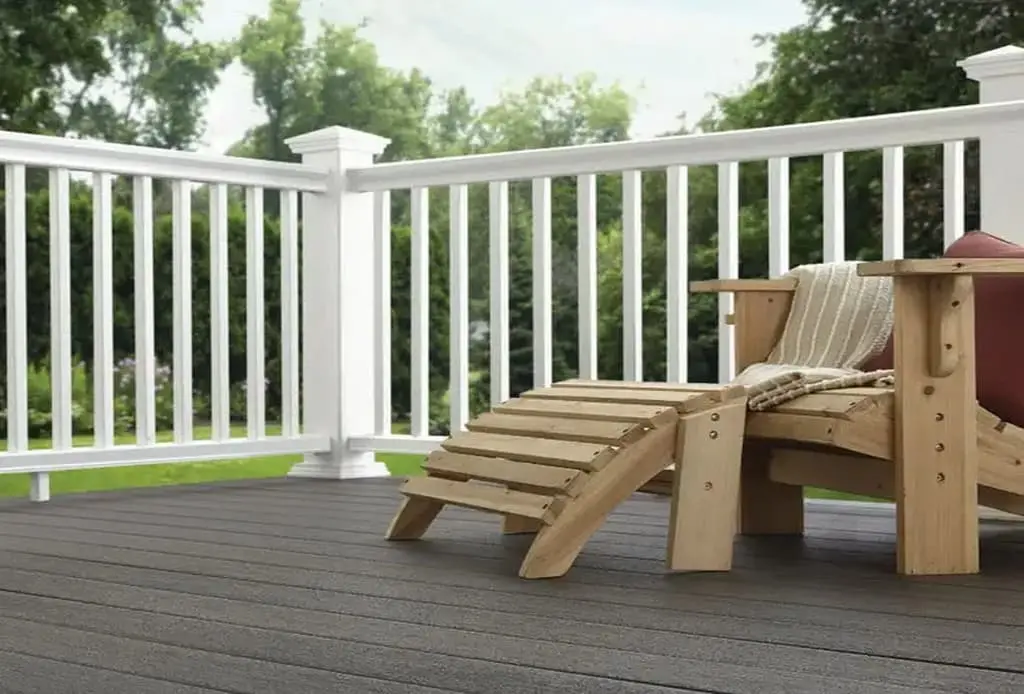
Installation and Design Impact
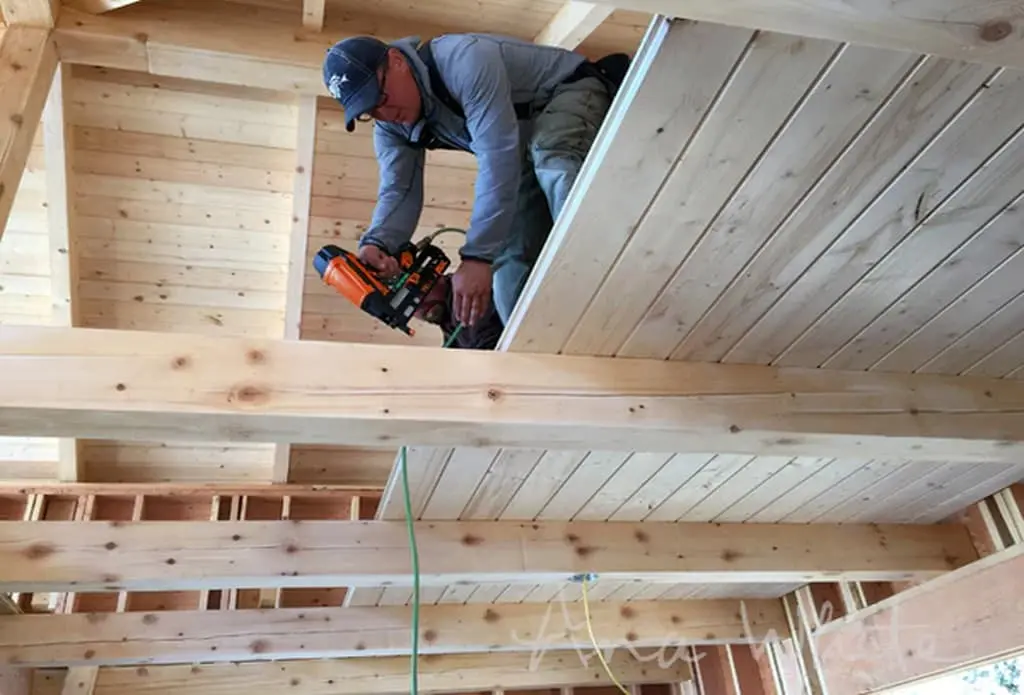
Labor costs for composite decking typically range from $15 to $35 per square foot in 2026. It depends on project complexity and location. High-end or multi-level decks can push labor costs to $60 per square foot or more. Several design factors influence installation costs, including:
- Multi-story or elevated decks
- Custom-shaped designs
- Staircases
- Integrated lighting
- Under-deck ceilings
These extras can push labor costs to the upper end or beyond.
Other cost contributors include:
- Site preparation and foundation work, which, depending on local regulations, may cost $500–$ 3,000.
- Permit fees in many regions.
- Accessory add-ons. These include fascia boards, hidden fastener systems, and deck lighting ($2–$15+ per square foot).
Average Composite Decking Costs in 2026
Composite decking materials have an average price of between $12 to $35 per square foot, whereas the overall cost of installation is between $25 to $60+ per square foot. Premier decks with personal specifications may be more than $100.
Composite Decking Cost by Size
| Deck Size | Average Installed Cost |
| 100 sq. ft | $2,500–$6,000 |
| 200 sq. ft | $5,000–$12,000 |
| 300 sq. ft | $7,500–$18,000 |
| 400 sq. ft | $10,000–$25,000+ |
Additional Costs Associated With Composite Decking
A new composite deck looks straightforward. But costs can stack up fast if you ignore extras. Here’s a breakdown of the hidden line items that often surprise homeowners:
Structural Subframe and Footings
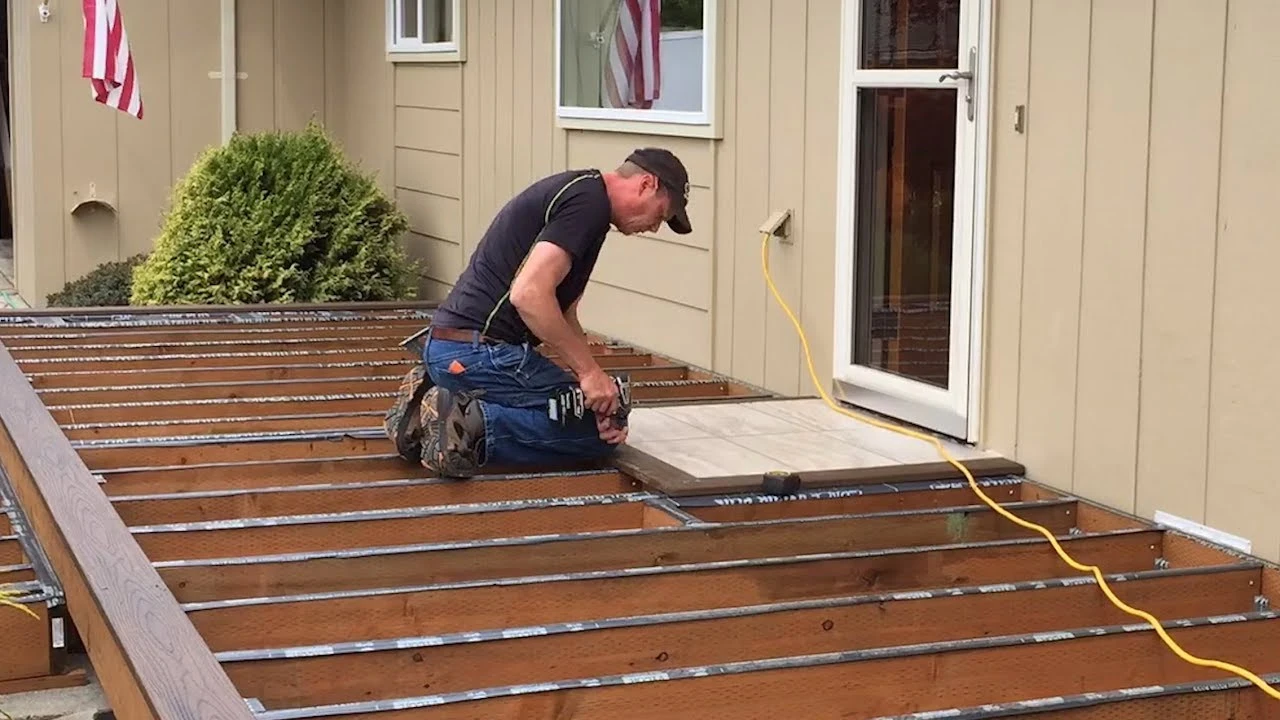
Composite boards sit on joists and beams. Those supporting frames often use pressure-treated lumber or even steel. Installing concrete footings or piers can add $2 to $8 per square foot. Unusual soil, raised decks, or frost-depth footings can drive the cost even higher.
Railing Systems and Balusters
Railings are not optional on elevated decks and can cost $20 to $150+ per linear foot, based on materials and style. Choose composite post caps, satin-grade plastic rails, or metal balusters. That cost can easily add thousands when you have multiple long edges or stair access.
Stairs and Built-Ins
Converting a single-level platform into a welcoming set of stairs adds to labor and materials. Each step often costs $250 to $600+, depending on board sizes and rail support. Built-in benches or planters escalate costs further. You can expect $100–$300+ per linear foot or bench.
Hidden Fasteners and Specialty Hardware
The process also needs decking parts for ideal results. These include hidden clips or screws designed to expand and contract. Specialty fastener prices vary, but typically add $1 to $5+ per square foot. If you want color-matched screws or concealed fastening systems, the cost further increases.
Lighting, Electric, and Accessories
Want integrated lighting under rails or posts? That’s more than decoration. It’s rewiring and fixtures.
- Standard deck light fixtures: $15–$50 each
- LED strips: $50–$250 each
When you detail every post or stair, they add up quickly.
Permit Fees and Local Compliance
Construction permits or footings are required to create decks in some US states. The ideal cost varies across regions. On average, getting a permit costs from $150 to $1500+. However, special design reviews and homeowner association charges can make this number even bigger.
Delivery, Waste, and Site Prep
Composite boards are heavy and inflexible, which makes delivery a necessity for contractors. Delivery charges average $200–$500+. Many contractors add a disposal or waste handling fee as well. If your yard is tight or slopes downhill, expect prep or demolition work to cost $500–$4,000 or more.
Maintenance Accessories and Expansion Adjustments
While maintenance is low, many homeowners still buy inspection kits. Moreover, some consider purchasing cleaning solutions or oil-resistant pointing for expansion gaps. Those accessories generally run $0.10–$0.50 per square foot.
Here’s a more complete snapshot of the collective costs:
| Cost Item | In 2025 Range | Updated 2026 Realistic Range |
| Subframe & footings | $2–$5 / sq. ft. | $2–$8+ / sq. ft. |
| Railings | $15–$120 / linear ft | $20–$150+ / linear ft |
| Stairs (per step) | $200–$400 | $250–$600+ per step |
| Built-in benches | $75–$200 / linear ft | $100–$300+ / linear ft |
| Hidden fasteners | $1–$3 / sq. ft. | $1–$5+ / sq. ft. |
| Permit fees | $100–$500 | $150–$1,500+ |
| Delivery | $150–$300 | $200–$500+ |
| Site prep | $500–$2,000 | $500–$4,000+ |
| Maintenance accessories | $0.10–$0.50 / sq. ft. | Still accurate |
Perks of Using Composite Decking
Building a composite deck is not just about getting a smooth surface. On the contrary, it is a wise decision to skip the staining and maintenance routine associated with traditional wood decking. Moreover, the composite deck lasts longer and doesn’t rot or splinter in adverse weather conditions. There are tons of perks associated with composite decking. Let’s go through some of them individually:
- They do not rot or splinter but stay standing for years. Many systems come with 25‑ to 30‑year warranties, whereas the real-world installations often stay solid for 30 to 50 years.
- They don’t need sanding, sealing, painting, or yearly stains.
- Composite boards resist water damage. Moreover, they don’t absorb mold spores, which is why these decks won’t warp or crack from moisture exposure.
- Insects do not damage it, so you won’t have to worry about termite infestation. They also shrug off fungal decay without chemical treatments or preservatives.
- Composite boards stay cooler than wood. Also, the special UV-protective composite boards reflect heat instead of absorbing it. That leads to cooler underfoot, even in direct sun. It is the safest option for bare feet and pets.
- Integrated pigments and UV barriers help boards retain their color. They preserve at least 95% of their original hue over the years of exposure.
- These are available in dozens of color styles and textures. Some of them are grey oak grain, spiced walnut streaks, and tropical bamboo tones
- Composite boards reduce landfill waste and deforestation.
- These decks are built for safety with textured slip-resistant surfaces. They have tactile grooves and board embossing, which makes them perfect around pool areas.
- Hidden fastener systems allow clean installations.
A Step-By-Step Plan To Calculate The Cost Of Composite Decking For Your Site
We have already highlighted all the necessary costs associated with typical composite decks. However, if you want specific cost estimation of your own composite decking, you can follow our step-by-step plan. This streamlined strategy is all you need to find the extremely precise cost for building composite decks.
Step 1: Measure Your Deck Design Carefully
First, measure your deck area in feet and add curved edges and multi-levels in total square footage. For instance, a 12 × 12 ft rectangle is 144 sq ft. Try adding stair landings or attached planters separately.
Step 2: Choose Your Composite Style
Composite boards now fall into three rough pricing tiers:
- Budget capped composite: around $12-$18 per sq ft
- Mid-grade polymer composite: $18–$25 per sq ft
- Heavy-duty PVC or mineral-based boards: $25-$35+ per sq ft
Use the cost of composite deck boards to estimate the total surface expense. For a 200 sq ft deck using mid-grade boards, you’d expect $3600–$5000 just for boards alone. Include fasteners that typically run $1–$5 per sq ft, especially if using hidden clip systems.
Step 3: Add in Substructure & Framing
Composite decks sit on joists and beams, made using concrete or steel. The framing and foundations generally add $8-$18 per sq ft. That’s an extra $1600-$3600 if you are working on a deck on an area of 200 square feet. Deck height impacts cost significantly. Elevated decks need deep footers and cost more than ground-level builds.
Step 4: Estimate Labor Costs with Real Data
Industry averages suggest composite installation runs $15 to $40+ per sq ft, depending on complexity and region. Simpler ground-level decks trend toward the low end; elevated decks with stairs lean higher. So for our example:
| Type | Per Square Foot Labor | For a 200 Sq Ft Deck |
| Decking Installation | $18–$30 | $3600–$6000 |
| Fasteners & Clips | $1–$4 | $200–$800 |
| Framing & Substructure | $10–$20 | $2000–$4000 |
| General Labor & Finishing | $20–$40 | $4000–$8000 |
Step 5: Include Extra Features Thoughtfully
Consider these enhancements and their typical costs:
| Feature | Typical Cost |
| Railings | $20–$150+ per linear foot |
| Stairs | $250–$1000+ per set |
| Benches | $100–$300+ per linear foot |
| Stair Lighting | $15–$250+ per fixture |
Step 6: Factor in Permits and Preparation
Some permits cost as little as $150. At the same time, others run up to $1500. All of the costs depend on your regional municipality’s rules. Site prep or excavation can add another $500 to $4000+.
Also Read: What is Whitewood board? Types, Advantages, and Uses
Step 7: Add Contingency and Waste Margins
There are multiple contingency costs associated with composite decks. For instance, framework updates or structural adjustments can add $500 to $2,000+, and its depend on deck complexity. The best way to handle it is through contingency and waste management funds. Try regulating the project with 5–10% material waste. Also, use a small buffer for design tweaks or unforeseen site conditions.
Example Summary for a 200 sq ft Composite Deck
| Component | Estimated Cost (200 sq. ft. Deck) |
| Composite boards | $3600–$5000 |
| Hidden fasteners | $200–$1000 |
| Substructure & framing | $1600–$3600 |
| Labor | $4000–$8000 |
| Railings (60 ft) | $1200–$9000 |
| Stairs (10 steps) | $2500–$6000 |
| Lighting & extras | $300–$2500 |
| Permit and site prep | $650–$4000 |
| Material waste allowance | $300–$1000 |
| Total Estimated Range | $14,350–$41,100+ |
Why This Method Works Like a Charm
Taking these steps ensures that surprise costs or misestimating board quantities do not blindside you. The process anchors your budget to real market data:
- Shape and size conversions give you the correct board count
- Choosing the right quality tier determines whether your decking material costs around $12 or $35+ per square foot.
- Labor numbers tied to deck elevation, curves, and installation details
Professional Cost vs DIY Composite Decking Cost
Proper framing, permits, and structural safety are secured by ensuring that a professional contractor is hired. Labor alone normally costs between $15 and $60 or more per square foot professionally. Self-installation will save money on labor but will need machinery, licenses, and expertise. The errors may cause structural problems and increased expenses for repair in the future.
Tips To Save Money During Deck Installation
Wrongly assessed composite deck cost can cause budget overruns and delays. Luckily, a few smart choices can help you eliminate those and maintain quality simultaneously.
Choose a Simple Deck Shape
Stick to square or rectangular designs. Avoid curves and angles because these need more cuts, custom framing, and skilled labor. Simple shapes mean fewer hours and less waste, saving both material and installation costs.
Build in the Off-Season
Schedule construction in late fall or winter when demand is low. Contractors offer better rates, and suppliers run clearance sales. You could save up to 20% on both materials and labor just by waiting.
Consider Partial DIY Work
You don’t need to build the whole deck yourself. If you can install boards or fasteners, leave the framing to the pros. Labor costs can be halved by handling just part of the process.
Combine Composite with Pressure-Treated Lumber
Use composite for visible surfaces only. For the substructure, opt for pressure-treated wood. That’s because it’s strong and far cheaper. This combo gives you durability and savings without sacrificing performance.
Stick to Standard Board Lengths
Design your layout around 12, 16, or 20-foot lengths. Custom sizes increase waste and trimming time. Using standard sizes reduces off-cuts and makes the job quicker and cleaner for installers.
Delay Fancy Add-Ons
Built-in lights, benches, planters, and power outlets are nice. Add them in phases to stay on budget. Focus on structure and safety first, extras later.
Ask for Bulk or Overstock Discounts
Buy everything (boards, fasteners, railing) from one supplier. Many offer discounts for large, single orders. You can also find steep markdowns on overstocked colors or styles if you shop early in the season.
Get Multiple Quotes
Always get at least three contractor bids. Prices vary widely. So, you must compare what’s included. Some offer better cleanup, warranties, or quicker timelines for the same price. Never settle for the first quote.
Conclusion
Knowing how much composite decking costs can help you make informed decisions. You can set your budget and manage expenses in a better way. Moreover, the plan given above for the calculation of deck cost is the ultimate solution to eliminate cost overruns and delays in your lumber projects. If you don’t want the hassle of calculating and managing all of the costs yourself, consider giving us a call! Our team can help you create precise and perfectly balanced composite decks without costing a fortune.
FAQs
What is the life span of decking made of composite?
Composite decking can last 25 to 50 years with proper installation and minimal maintenance.
What is the cost of composite decking in comparison with wood?
Composite decking is also more expensive in the short term but less expensive in the long term since it requires less maintenance and fewer repairs.
Does composite decking increase home value?
Yes, a composite deck can increase property value and improve outdoor living appeal.
Does the composite decking improve the value of the home?
Yes. A composite deck is the ability to add value to the property and enhances the appeal of the outdoors.
Can I apply composite decking myself?
Yes, but it is recommended to install it professionally to safeguard its structure and protect warranties.
Which is the least expensive composite decking?
Wood-plastic composite boards that are inexpensive and basic are the cheapest and cost about $9 per square foot.